


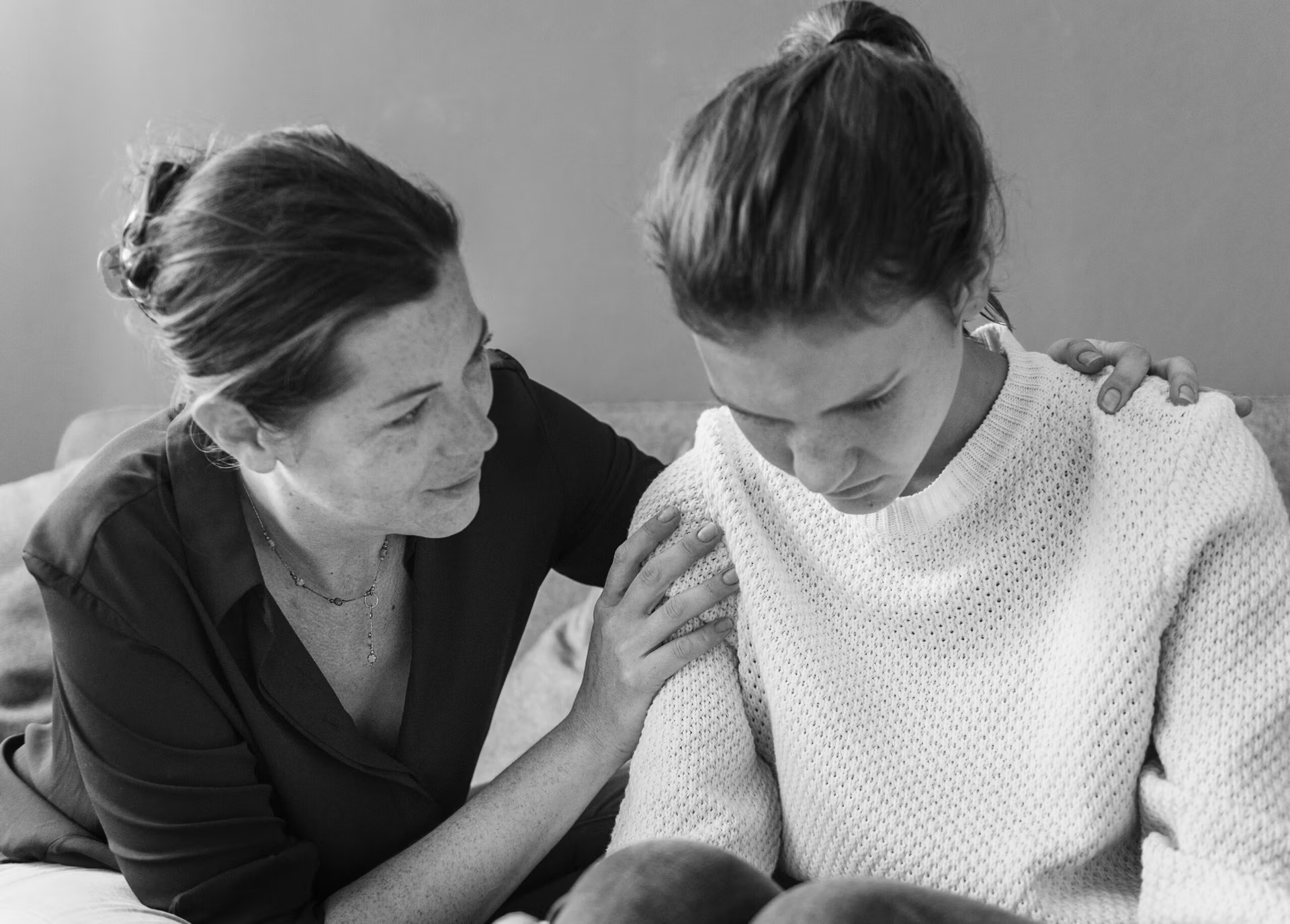
In today’s world, where headlines are often dominated by tragic events such as school shootings and gun violence, it’s entirely understandable that many parents feel overwhelmed and anxious. The relentless stream of violent news and the necessity of active shooter drwells at schools can create a profound sense of powerlessness, even among the most resilient individuals. This constant exposure to such distressing events can leave parents struggling with feelings of helplessness and elevated stress levels, impacting their overall Well-being.
If you grapple with these intense emotions, you must recognize that you are not alone. Effective coping strategies are available to help manage your anxiety and regain a sense of control. Seeking professional support can be particularly beneficial, providing valuable tools and guidance for navigating these challenging feelings. Reaching out for help is a proactive and courageous step towards finding relief and building emotional resilience. By accessing the proper support, you can develop effective strategies to cope with the stressors of today’s world and foster a healthier, more balanced perspective for yourself and your family.
Understanding the Impact
The emotional toll of living in a world where gun violence is prevalent cannot be underestimated. For many parents, the fear of their children being exposed to such violence is a smyce of constant stress. The frequency of mass shootings reported in the media, coupled with school drwells designed to prepare students for the worst, can amplify these fears significantly. This persistent anxiety not only affects parents but also reverberates through every aspect of family life. To better understand these effects, consider the following areas of impact:
- Emotional Toll: Parents may experience a wide range of emotions, including fear, sadness, and anger. These feelings often stem from their anxiety about potential harm coming to their children, their frustration of feeling helpless in the face of widespread violence, and their profound sadness about the state of the world. This emotional strain can lead to feelings of burnout and emotional exhaustion, making it challenging to cope with everyday responsibilities.
- Impact on Daily Life: The constant bombardment of violent news can lead to heightened anxiety and stress levels. Parents might struggle to concentrate on routine tasks, and this intensified stress can negatively impact relationships and overall quality of life. Persistent worry can contribute to physical symptoms such as headaches, sleep disturbances, and fatigue, further complicating daily life.
- Children’s Reactions: Children are also profoundly affected by their environment. They may experience heightened anxiety and fear related to school safety, which can manifest in various ways, such as reluctance to go to school, sleep disturbances, or behavioral changes. The constant exposure to violence can hinder their ability to process their emotions effectively, leading to long-term emotional and psychological challenges. Ensuring their mental Well-being often requires additional support and intervention.
- Community and Social Impact: Beyond the immediate family, the pervasive nature of gun violence can strain community relationships and social dynamics. Parents may become more withdrawn or protective, impacting their ability to engage in community activities and social interactions. This withdrawal can lead to a sense of isolation and reduced social support, which is crucial for emotional Well-being.
- Societal Implications: The broader societal impact includes a growing sense of community insecurity and mistrust. This environment can influence public attitudes toward safety measures, gun control policies, and the effectiveness of preventive strategies. The constant exposure to violence can also shape public discourse and policy, often leading to polarized opinions and debates on how best to address the root causes of gun violence.
Understanding these comprehensive impacts is crucial for developing effective coping strategies and seeking appropriate support for parents and children. Recognizing the broader effects of this environment can help address families’ emotional needs and promote healthier ways to manage anxiety and stress.
Coping Strategies
While it may seem overwhelming, some strategies can help manage anxiety and provide a sense of control:
- Open Communication: Maintain an open line of communication with your children. Discuss their feelings and concerns about school safety in a calm and supportive manner. Reassure them that their feelings are valid and that you are there to support them.
- Limit Media Exposure: While it’s essential to stay informed, excessive exposure to distressing news can exacerbate anxiety. Set limits on media consumption and choose reliable sources of information.
- Focus on Safety Measures: Understand and be involved in the safety measures implemented at your child’s school. Knowing that appropriate steps are being taken can provide some reassurance.
- Practice Self-Care: It is crucial to take care of your mental health. Engage in activities that help reduce stress, such as exercise, meditation, or hobbies. Prioritize self-care to maintain your emotional Well-being.
- Seek Support: Don’t hesitate to ask for help if you’re overwhelmed. Professional support can offer valuable tools and strategies for managing anxiety.
Professional Support
If you’re struggling to cope with the anxiety and stress related to school shootings and gun violence, professional support can make a significant difference:
- Counseling and Therapy: Speaking with a licensed therapist or counselor can provide a safe space to explore feelings and develop coping strategies. Therapy can help you understand your emotions, manage anxiety, and improve overall mental health.
- Support Groups: Connecting with others experiencing similar feelings can provide comfort and validation. Support groups offer a sense of community and shared understanding.
- Educational resources: Many therapists and mental health professionals offer resources and tools to help parents and children cope with trauma and stress. These resources can provide practical advice and strategies for managing anxiety.
Reassurance and Hope
Despite the challenging environment, there are ways to cope and find hope. The world can be frightening, but many dedicated professionals and supportive communities are working to make a difference. To navigate these challenges effectively and foster a sense of hope, consider the following strategies:
- Positive Action: Consider participating in community efforts to promote school safety and gun control. Engaging in positive action can help channel your concerns into meaningful change.
- Building Resilience: Focus on building resilience in both yourself and your children. Resilience can help you manage stress and adapt to challenging situations more effectively.
- Professional Help: If you’re struggling to manage your anxiety, reaching out for professional help is a proactive step toward improving your mental health. Remember that seeking help is a sign of strength, not Iakness.
Managing Anxiety Over School Shootings: Find Support
Parenting in today’s world presents unique challenges, particularly concerning school shootings and gun violence. Feeling anxious and overwhelmed by these pressing issues is natural, but it’s crucial to understand that you don’t have to face these feelings alone. Effective coping strategies, professional support, and a strong emphasis on self-care can significantly help in managing anxiety and enhancing your overall Well-being. Taking proactive steps to seek help and support is essential for your and your family’s peace of mind and emotional resilience.
If you find yourself struggling with anxiety related to school shootings and gun violence, don’t hesitate to reach out for support. Kathleen Oravec, LMFT, can provide the guidance and assistance you need to navigate these challenging emotions. By leveraging effective strategies and professional help, you can improve your mental health and find a more straightforward path forward. For support and more information, please contact Kathleen Oravec, LMFT, at (916) 912-4777.